News Details
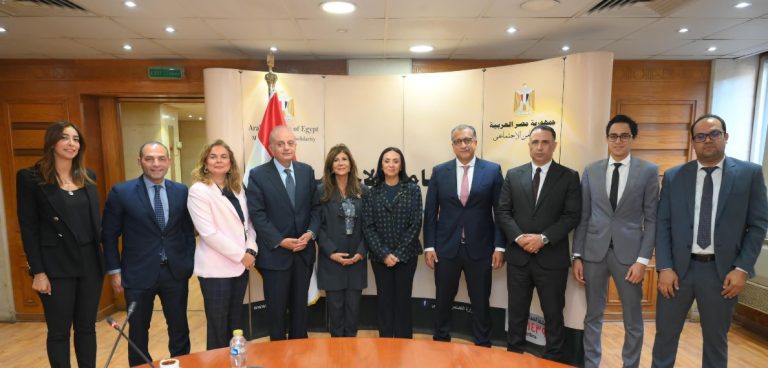
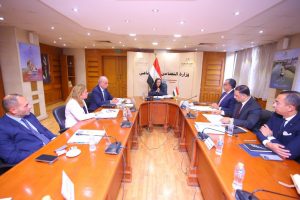
Dr. Maya Morsy, Minister of Social Solidarity, held a meeting with the Board of Directors of the charitable investment fund supporting persons with disabilities, Ataa Fund, in its new formation.
Date Released
03 February, 2026
The Board of Directors of Ataa Fund is chaired by the economist Sherif Sami, with Mr. Osama El-Sayed, Vice Chairman of Nasser Social Bank, appointed as Vice Chairman of the Fund, and Dr. Mohamed Al-Okabi, Assistant Minister of Social Solidarity, serving as a Board Member.
The Board is composed of a majority of independent members with extensive expertise in the private sector and civil society.
The Minister of Social Solidarity was briefed on a detailed overview of Ataa Fund’s work and its achievements over the past period in supporting and financing numerous projects.
The Fund operates across four main strategic pillars: educational equity, economic empowerment, community-based rehabilitation, and responding to opportunities and crisis.
The number of direct beneficiaries among persons with disabilities exceeded 13,000 individuals, while the number of funded projects reached 28 projects, implemented in cooperation with 18 partner organizations and 152 grassroots associations, distributed across various regions of the country.
Assiut and Sohag governorates ranked among the top beneficiary governorates.
In addition, Ataa Fund provided more than 2,345 assistive devices, including tools for the blind and visually impaired, white canes, prosthetic limbs, wheelchairs, laptops, and hearing aids.
In the area of educational equity, the Fund upgraded 80 schools to receive students with disabilities and equipped 56 resource rooms, while 651 teachers were trained.
To date, 746 students with disabilities—including those with visual, intellectual disabilities, autism, and learning difficulties—have benefited from school development projects.
Attendance rates for students with visual disabilities increased from 50% to 90%.
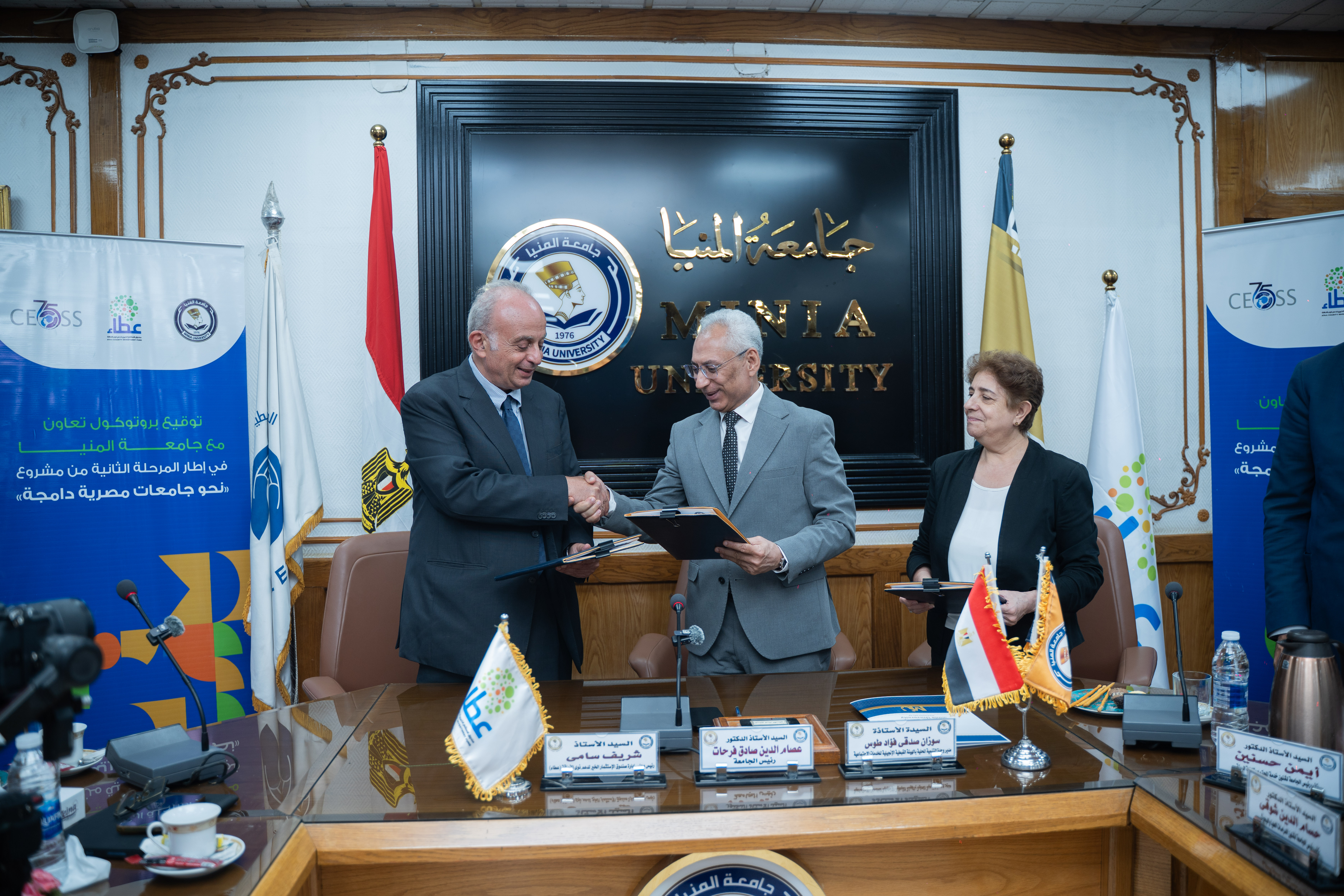
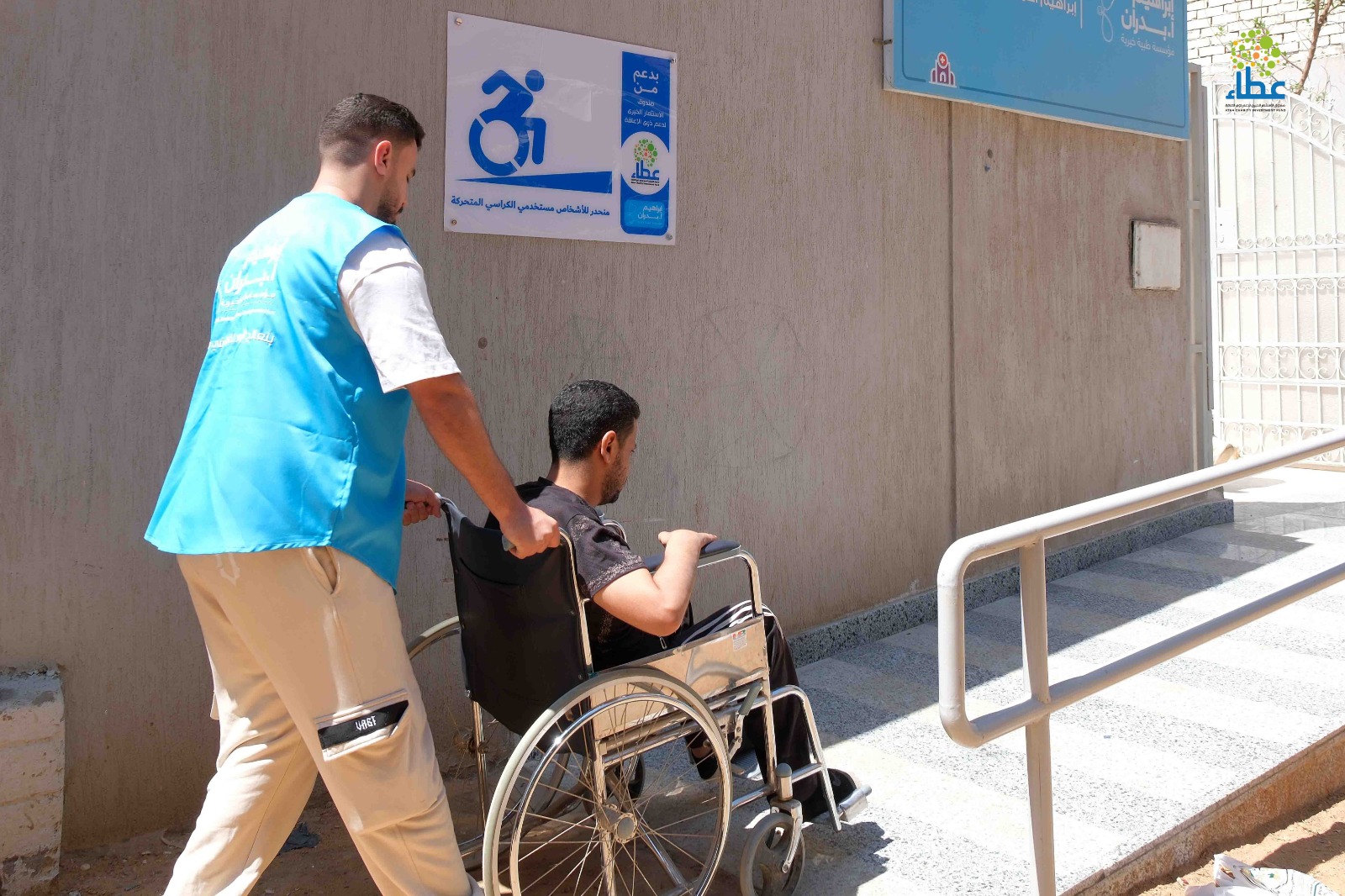
Ataa Fund also adopted the dual-track approach to empower and support the independence of students with disabilities in Egyptian universities by providing custom-fitted wheelchairs as personal accessibility solutions, in addition to improving physical accessibility across Ain Shams, Zagazig, and Menoufia Universities.
As a result, 503 students with disabilities benefited, leading to a 75% increase in university attendance and a reduced need for personal assistants.
In the field of community-based rehabilitation, Ataa Fund successfully established 65 rehabilitation units in 65 villages, extending services to 300 beneficiary villages and reaching more than 9,700 beneficiaries with different types of disabilities.
Children’s linguistic and motor skills improved by 40% following appropriate rehabilitation programs.
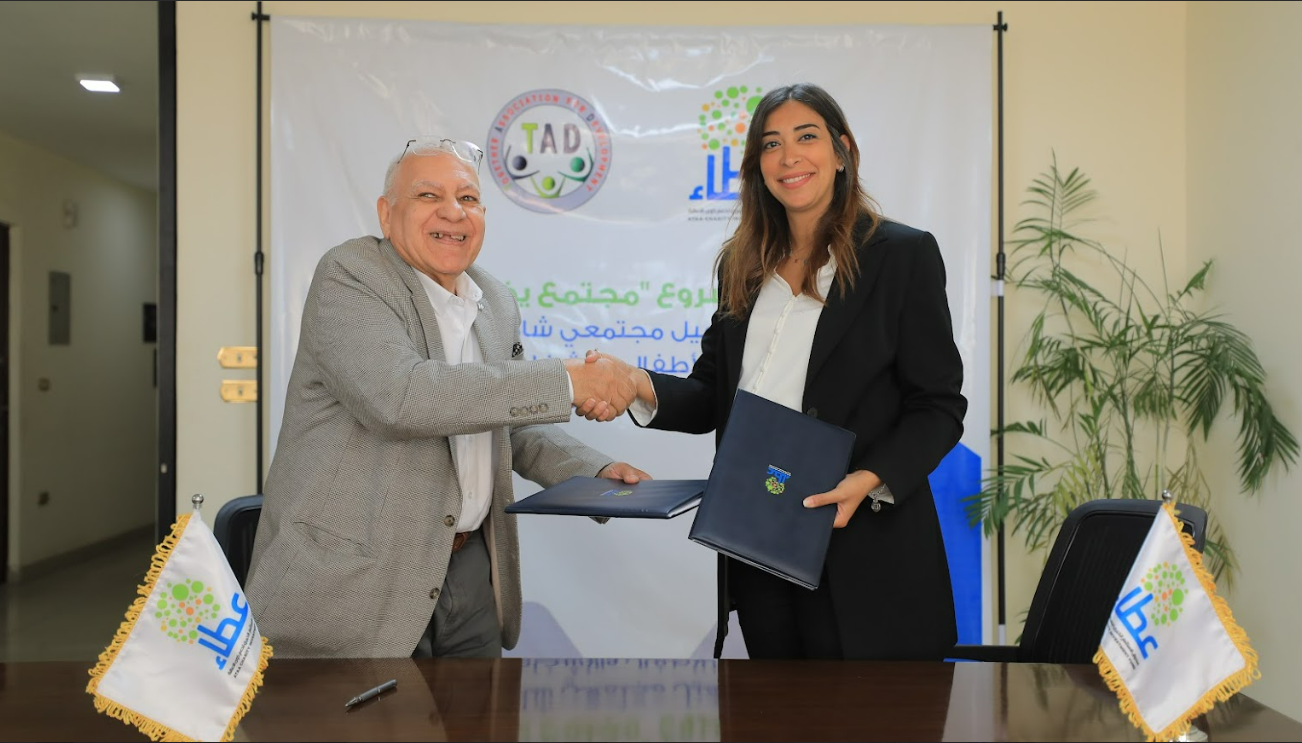
In terms of economic empowerment, the Fund supported 134 small and micro enterprises, trained 341 individuals, and enabled persons with disabilities—alongside their families—to establish small businesses, facilitating their social inclusion, improving living conditions, and contributing to the creation of a supportive and inclusive society.
Expansion efforts are currently underway to increase the number of beneficiaries across different governorates.
Dr. Maya Morsy, Minister of Social Solidarity, clarified that Ataa Fund is an independent entity separate from the Ministry of Social Solidarity, with its own objectives and projects determined by its Board of Directors.
She emphasized that the Ministry fully supports the Fund and works to facilitate the achievement of its goals.
The Minister also reaffirmed her support for the newly formed Board of Directors and its Chairman, and confirmed that all communication channels with the Ministry are open to serve persons with disabilities.
For his part, Sherif Sami, Chairman of the Board, stated that “Ataa is the first charitable investment fund established in Egypt”, noting that its founders were keen to focus exclusively on supporting persons with disabilities.
He stressed that one of the key advantages of the charitable investment fund model is ensuring sustainable funding, as spending is made from investment returns rather than the principal capital.
He also highlighted the separation between funding allocation and project implementation, in addition to the management of the Fund’s investment portfolio by a specialized company licensed by the Financial Regulatory Authority (FRA)—all of which enhances oversight and strengthens the Fund’s performance.
He further noted that investing in good causes through purchasing certificates of the Ataa Charitable Investment Fund is available to individuals, companies, and other legal entities through branches of several Egyptian commercial banks, in addition to Nasser Social Bank